From the activity
Day three of teacher training
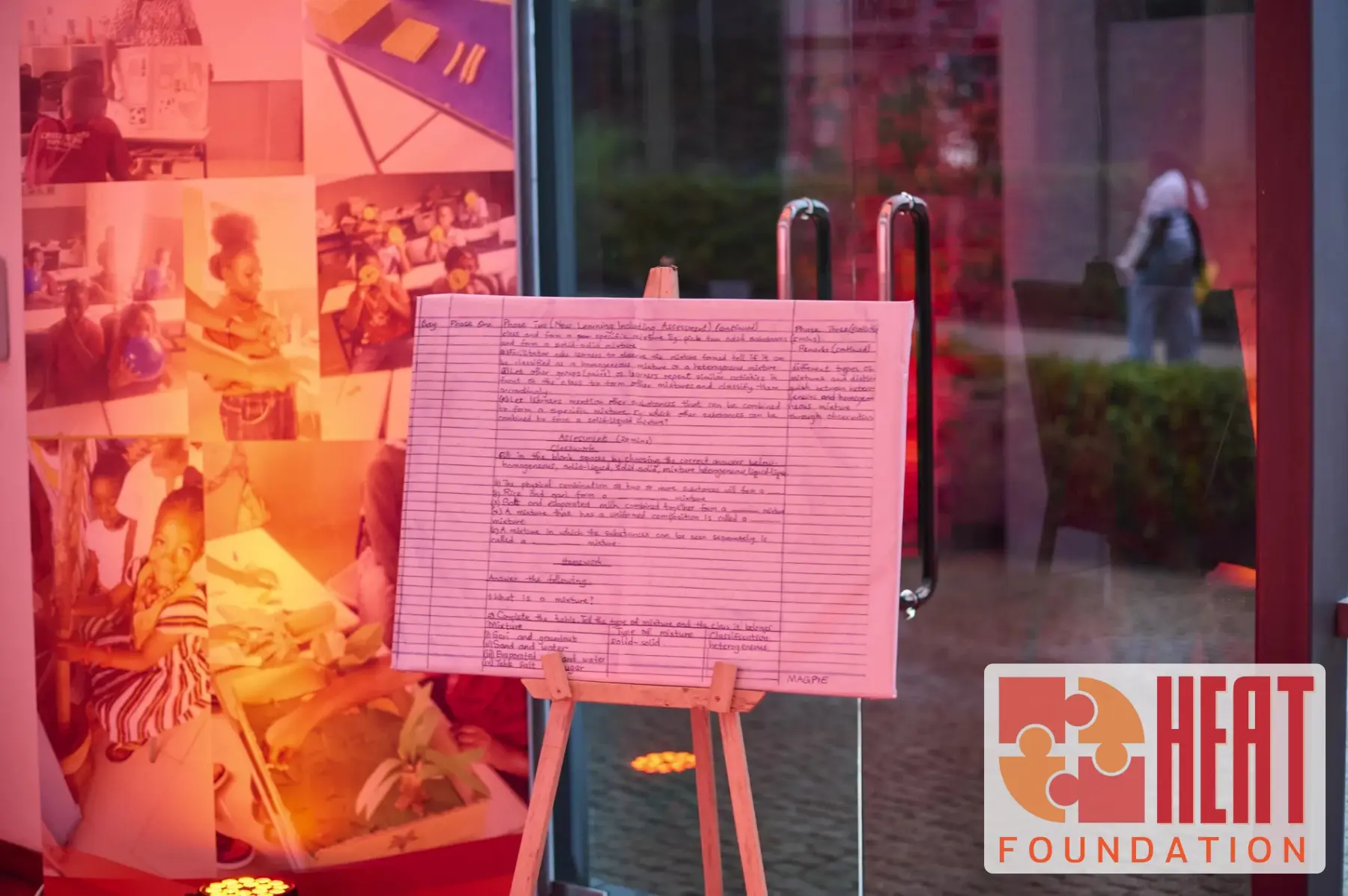
Conversations and participation during the core training sessions.
Thirty teachers trained and applied their learning in classrooms reaching more than 650 students across seven schools.
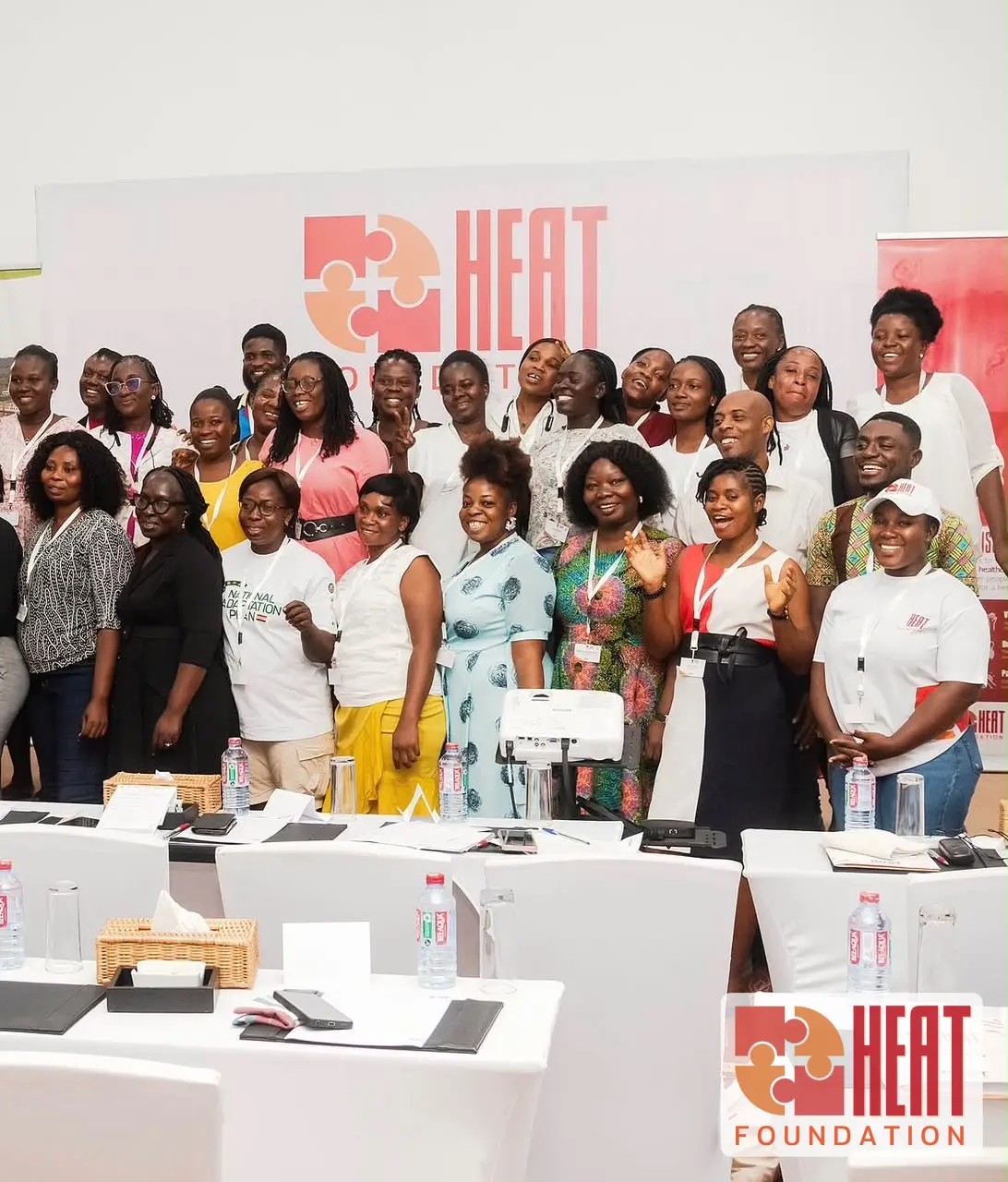
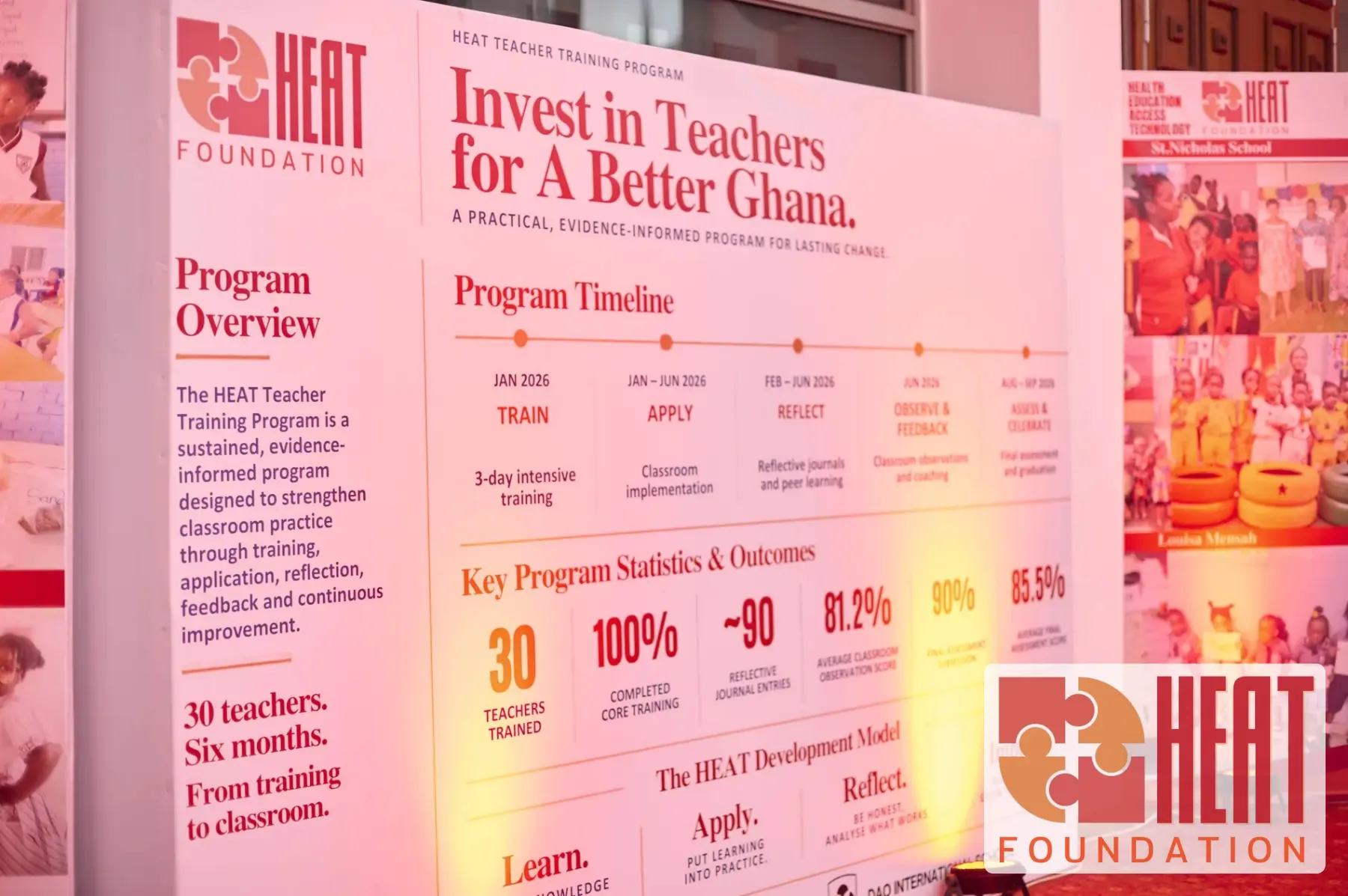
The first cohort brought together 30 teachers from seven schools for a sustained, evidence-informed development program. Their classroom teaching reached more than 650 students. The core learning and classroom application phase ran from January through June 2026. Teachers trained, applied strategies in their own classrooms, reflected with peers and journals, and received observation and coaching feedback. Final assessment and graduation followed in August–September.
All 30 teachers completed core training, and their classrooms reached more than 650 students across seven schools. The student figure describes reach, not a measured learning gain. HEAT’s program overview records approximately 90 reflective journal entries, an 81.2% average classroom observation score, 90% final assessment submission and an 85.5% average final assessment score. View the original program overview (PDF) ↗
Teachers tested strategies with their own learners and documented what happened. Group work, questioning, differentiation and assessment for learning became areas of deliberate practice rather than ideas left in a training room.
Journals, peer conversation and classroom observation gave teachers evidence to examine. The next step was to use that evidence to refine another lesson. The program continued to surface challenges such as large classes, time and limited teaching materials.
Two films from the professional learning sessions with the first teacher cohort.
Conversations and participation during the core training sessions.
A view of the cohort’s shared professional learning experience.
Images and program visuals available from HEAT’s activity record.
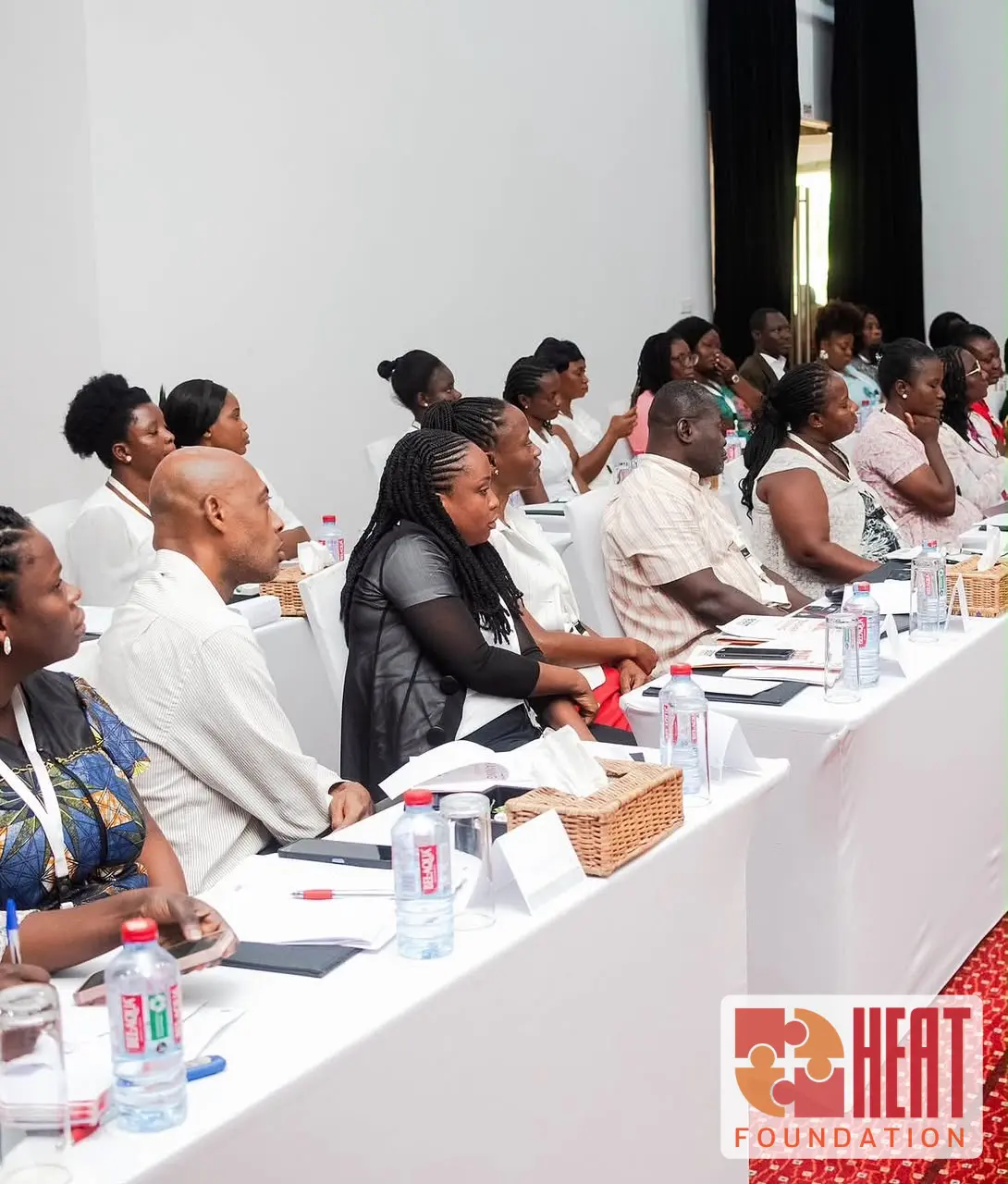
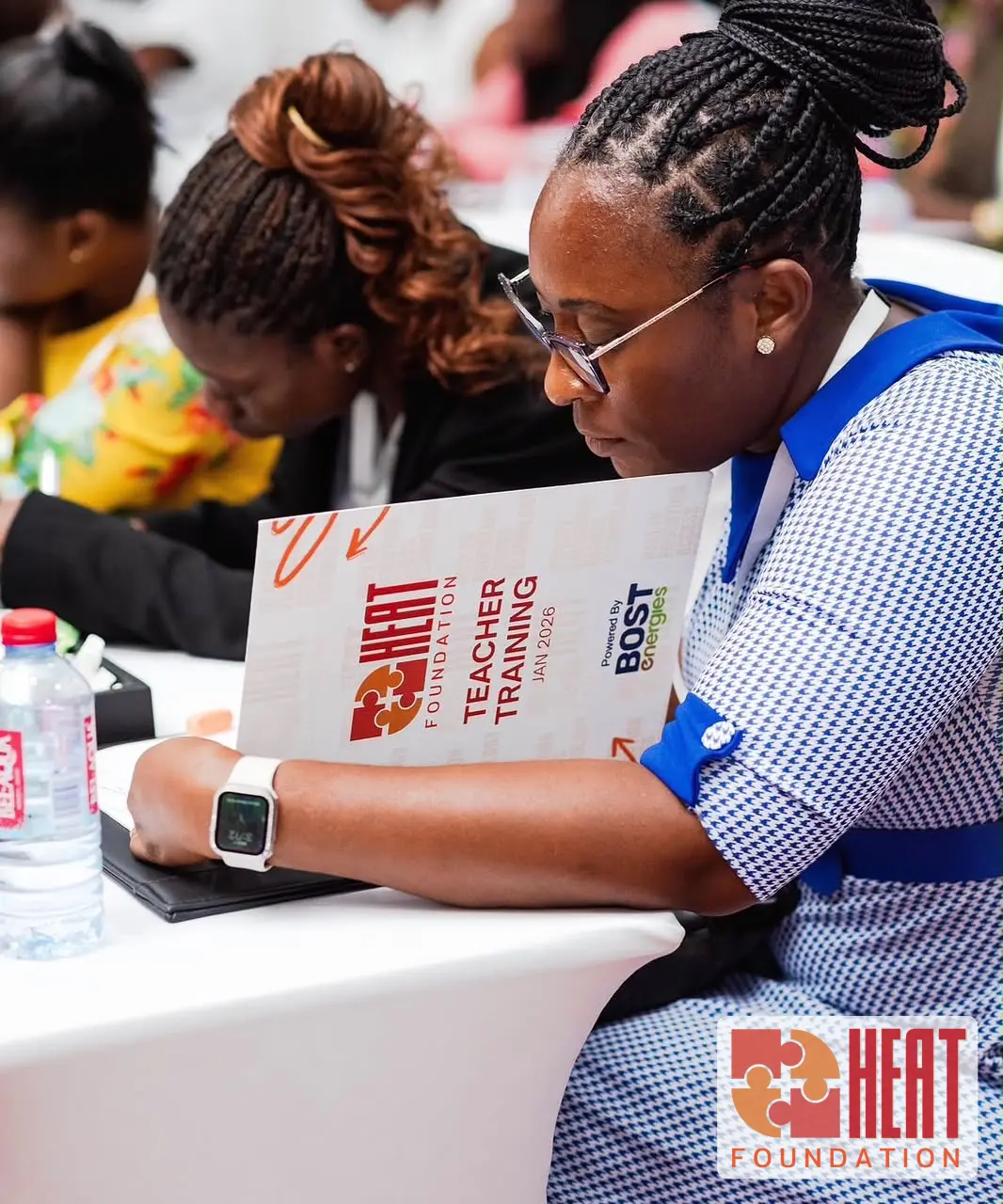
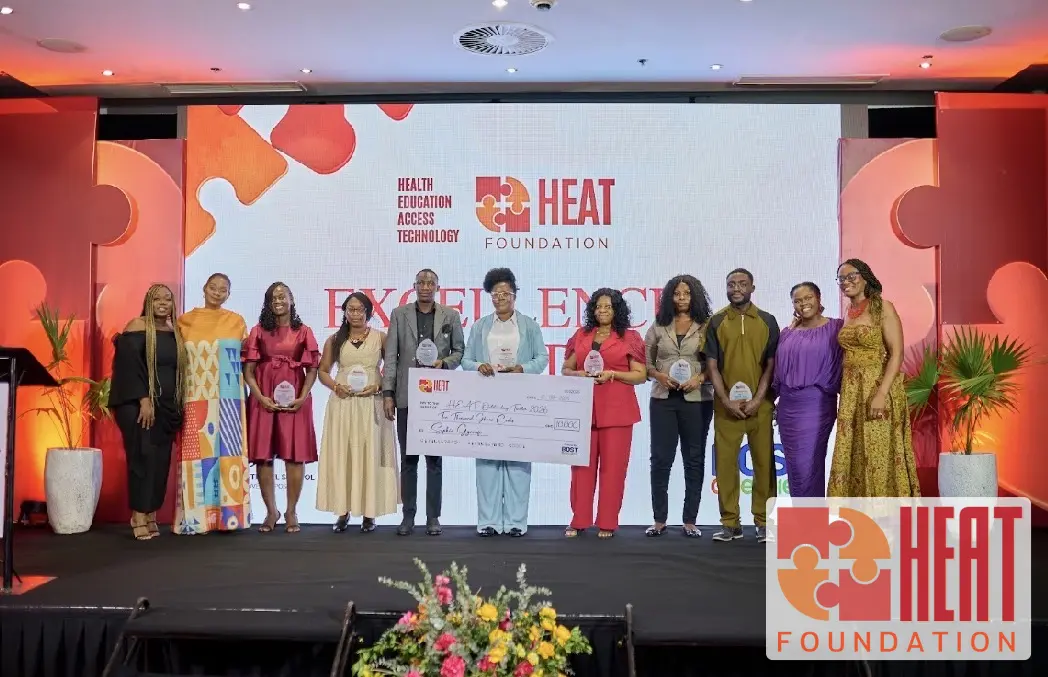
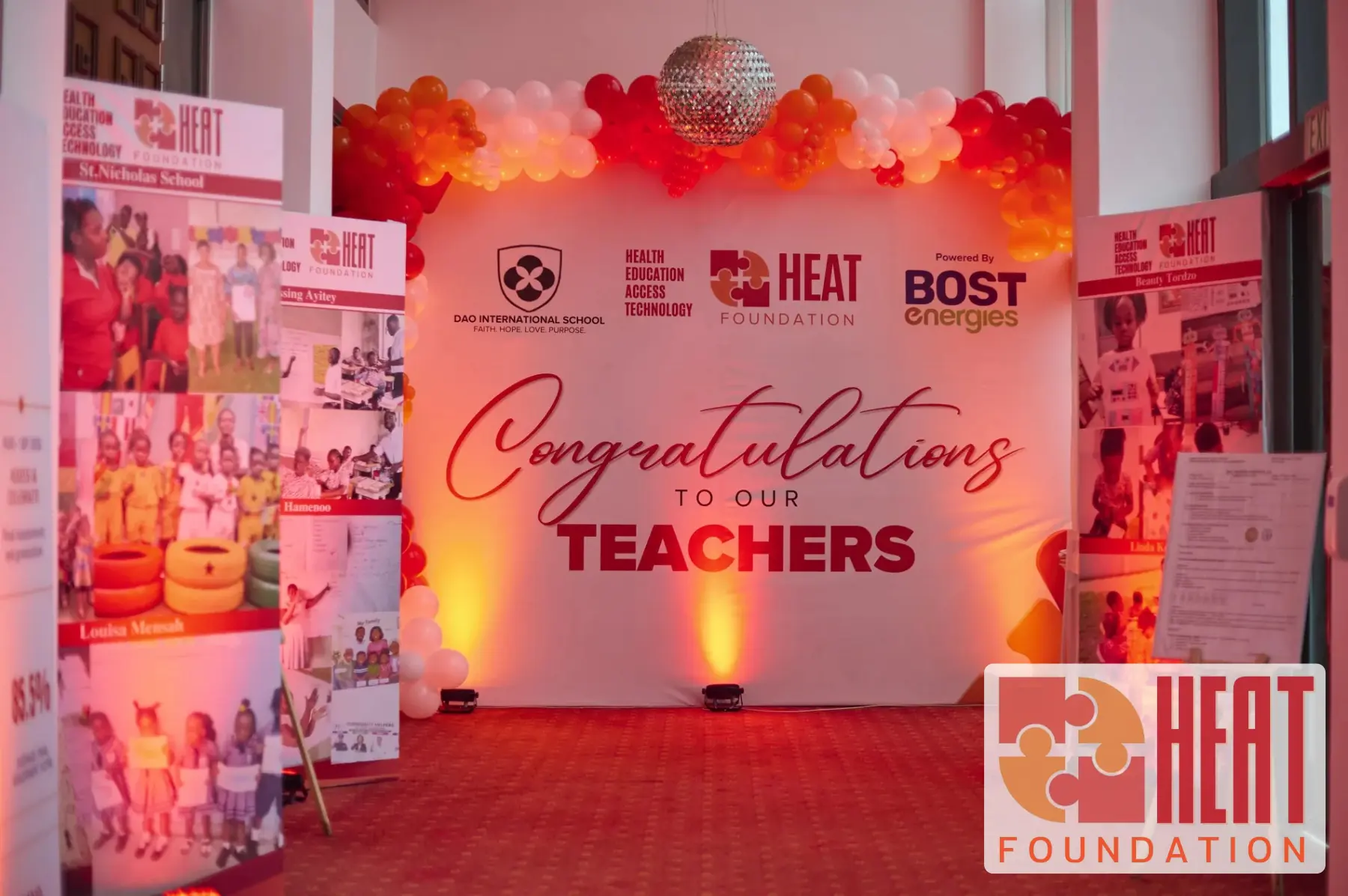
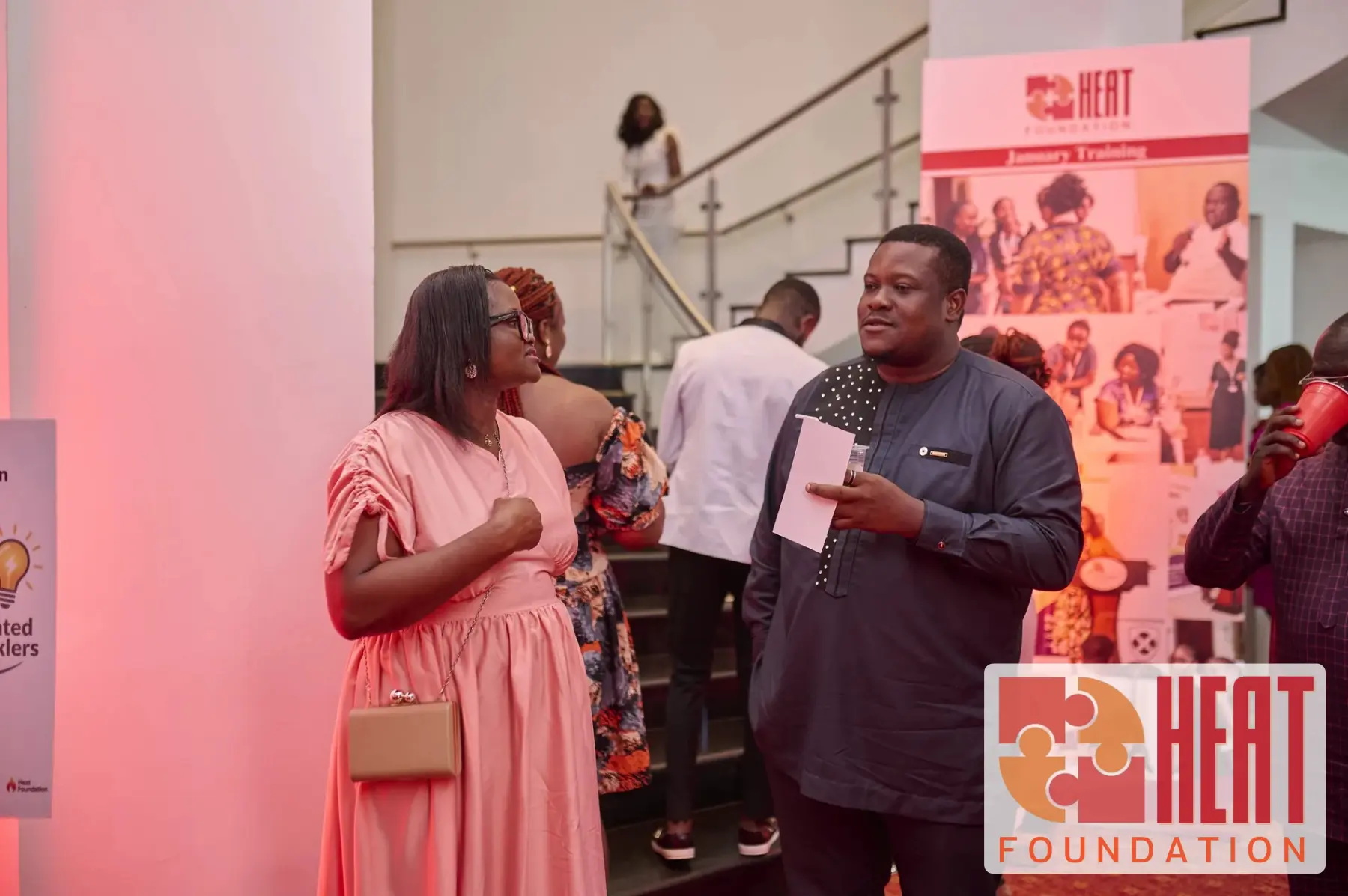
The program culminated in final assessment and a ceremony where teachers’ work, lesson planning and the cohort journey were shared with guests.
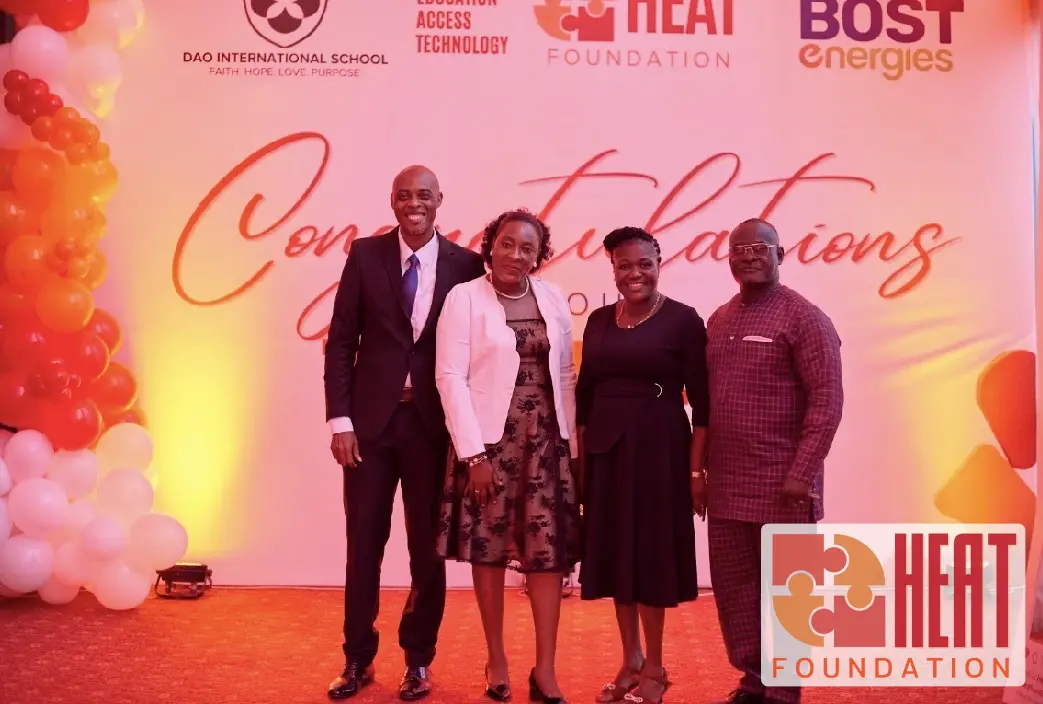
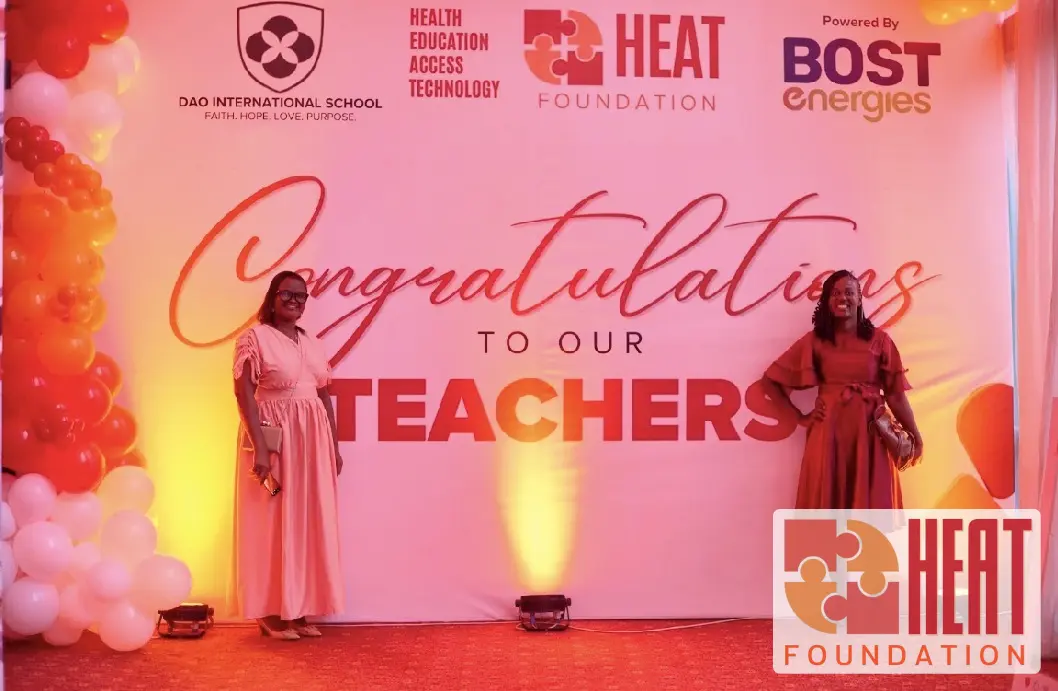
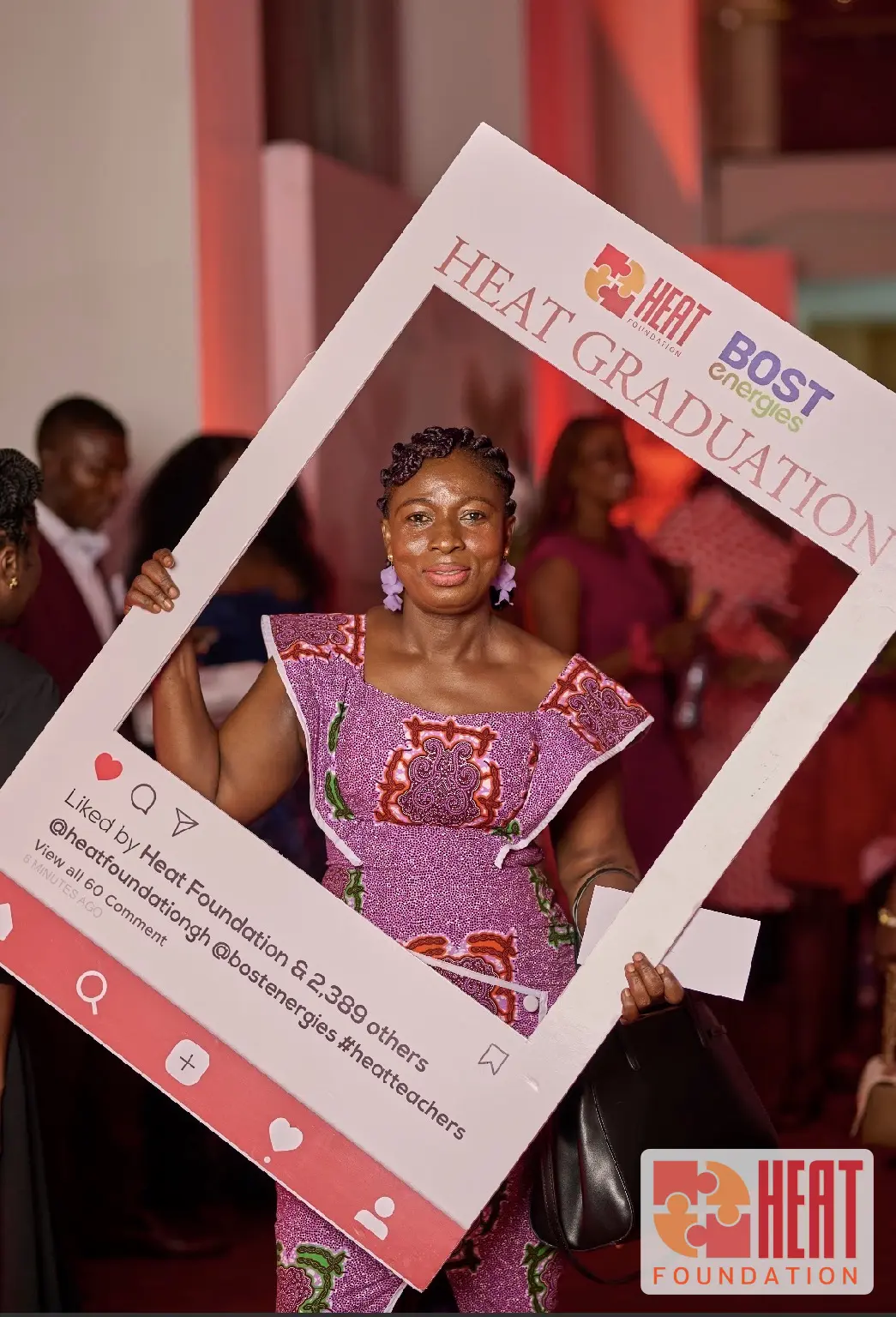
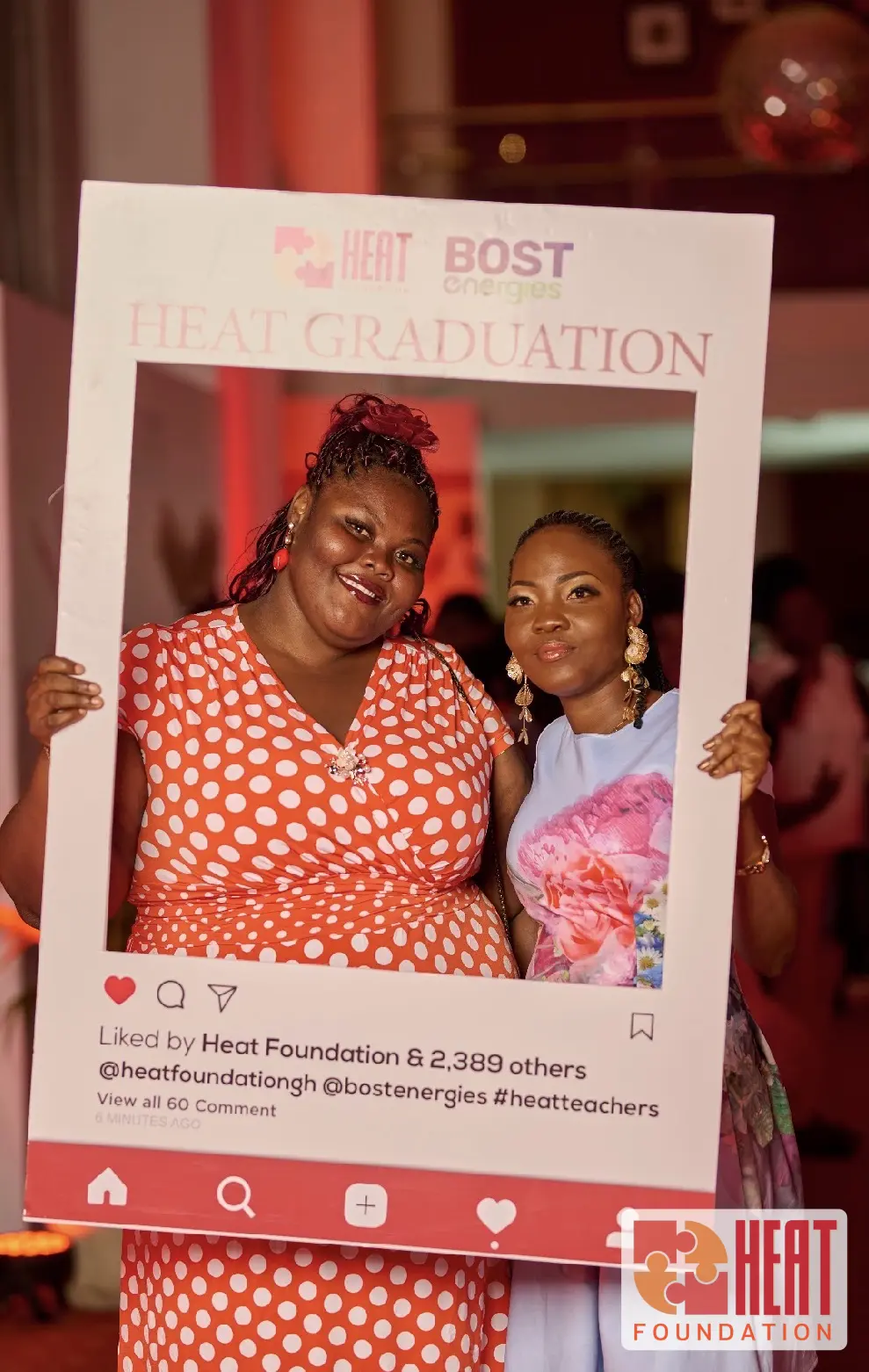
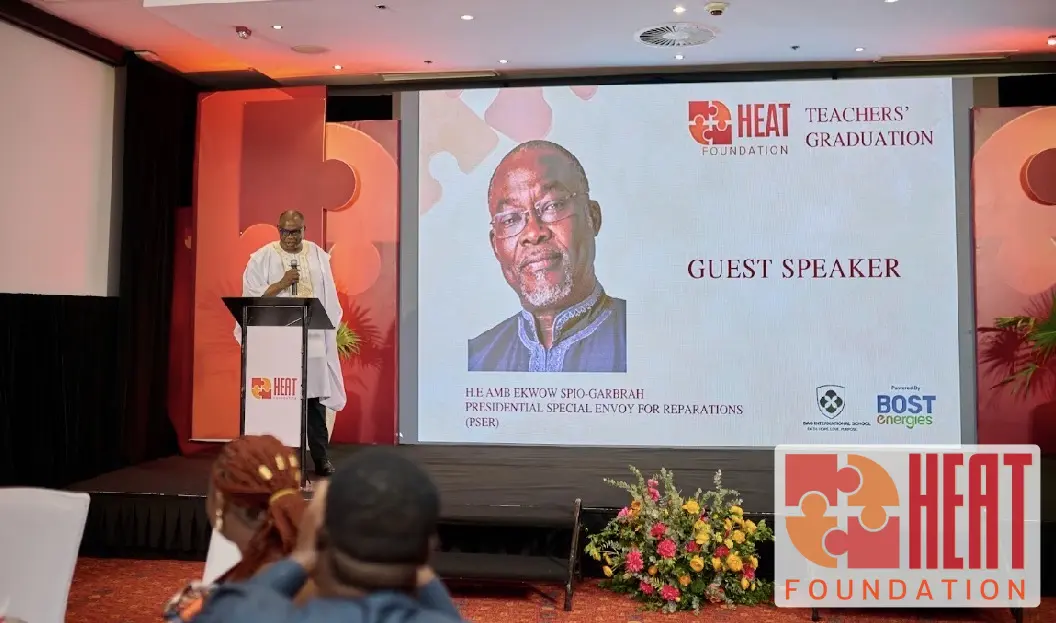
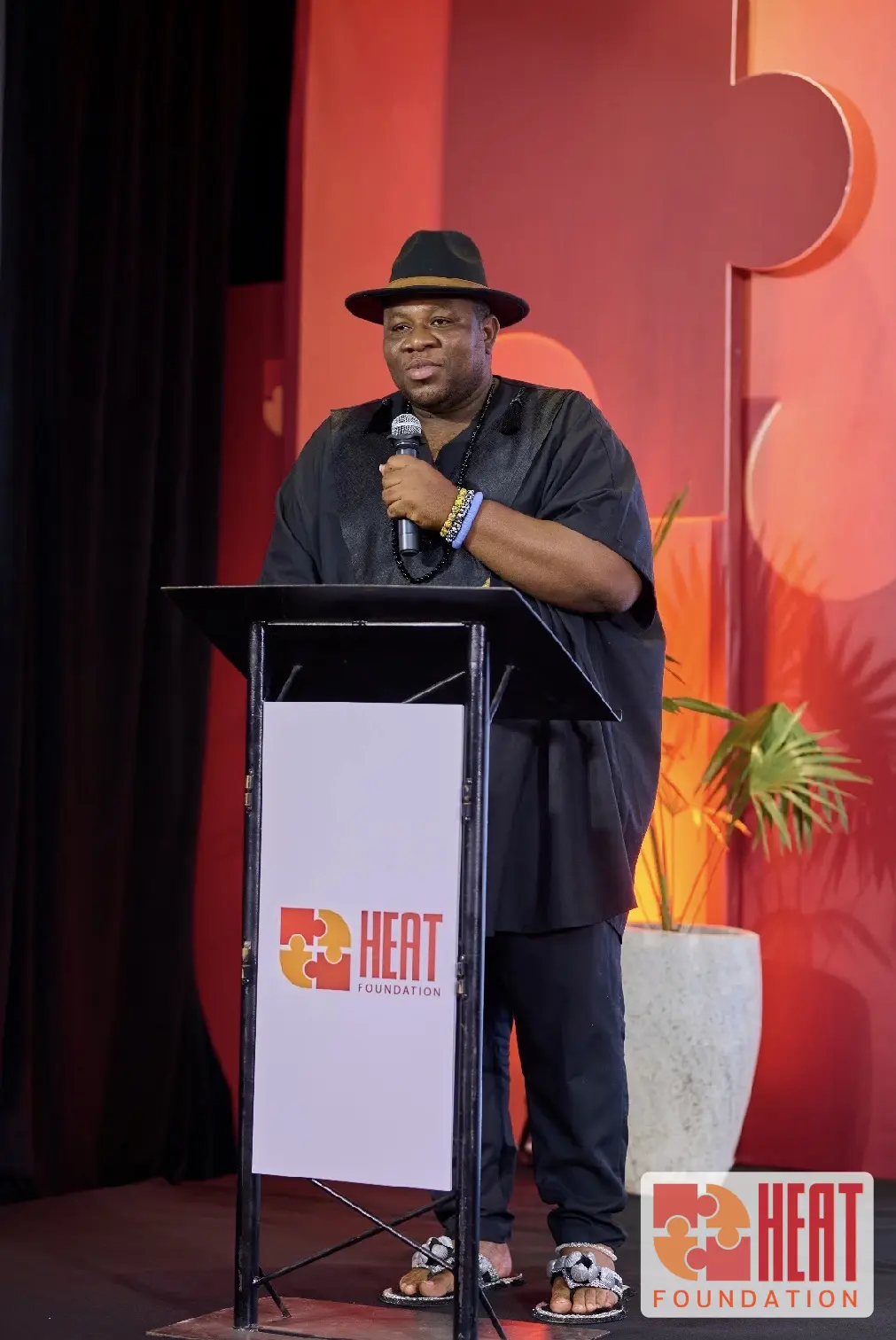
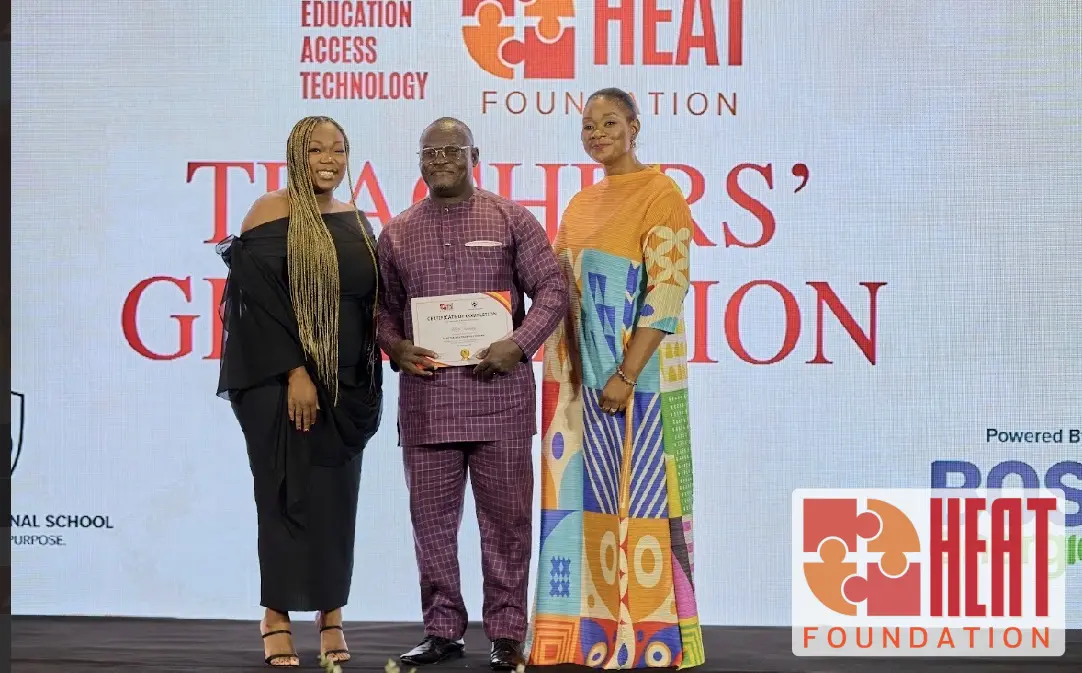
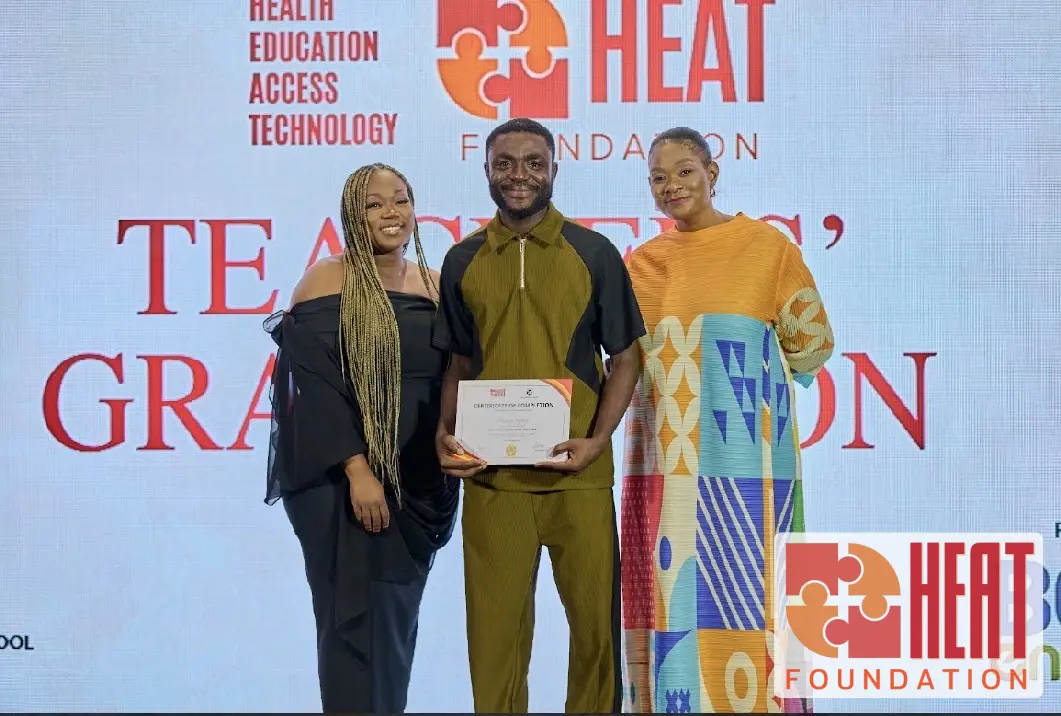
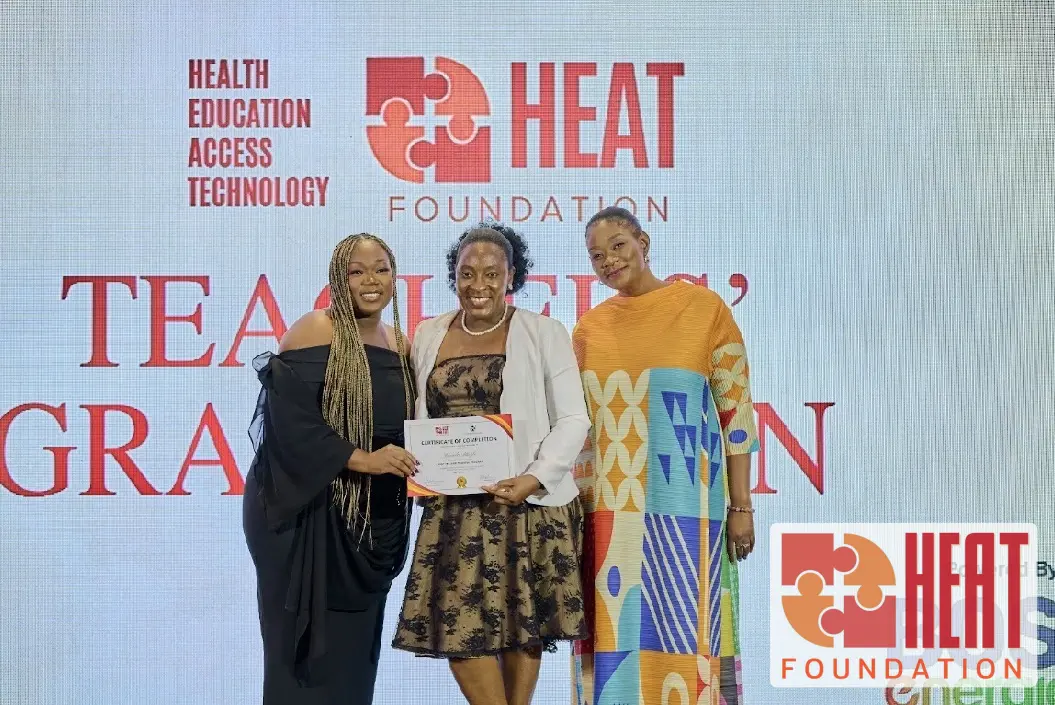
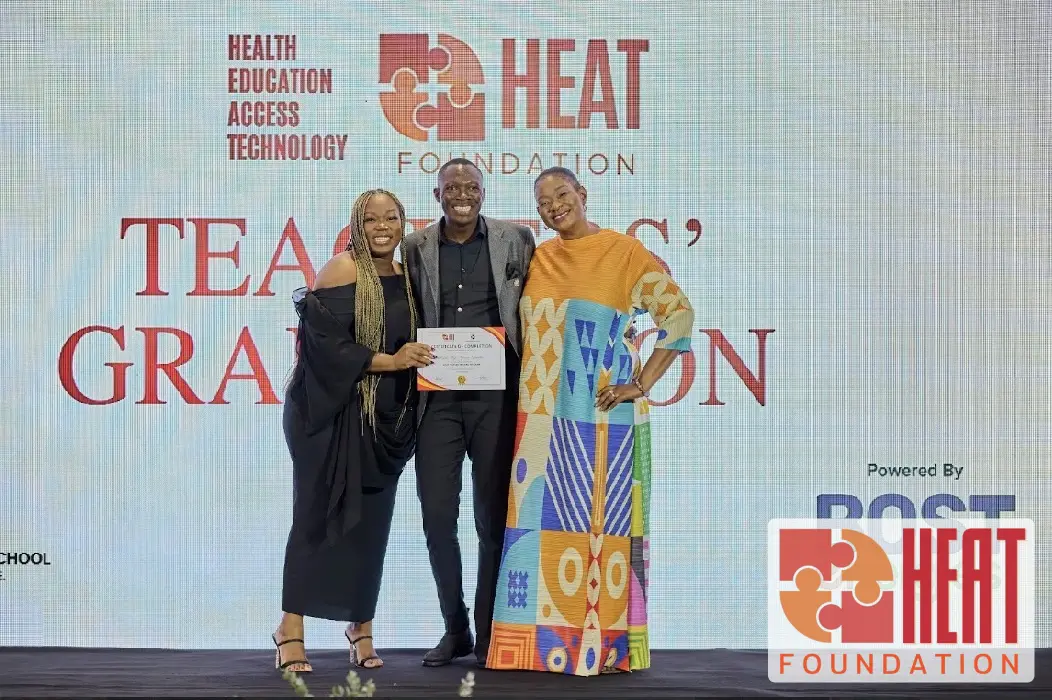
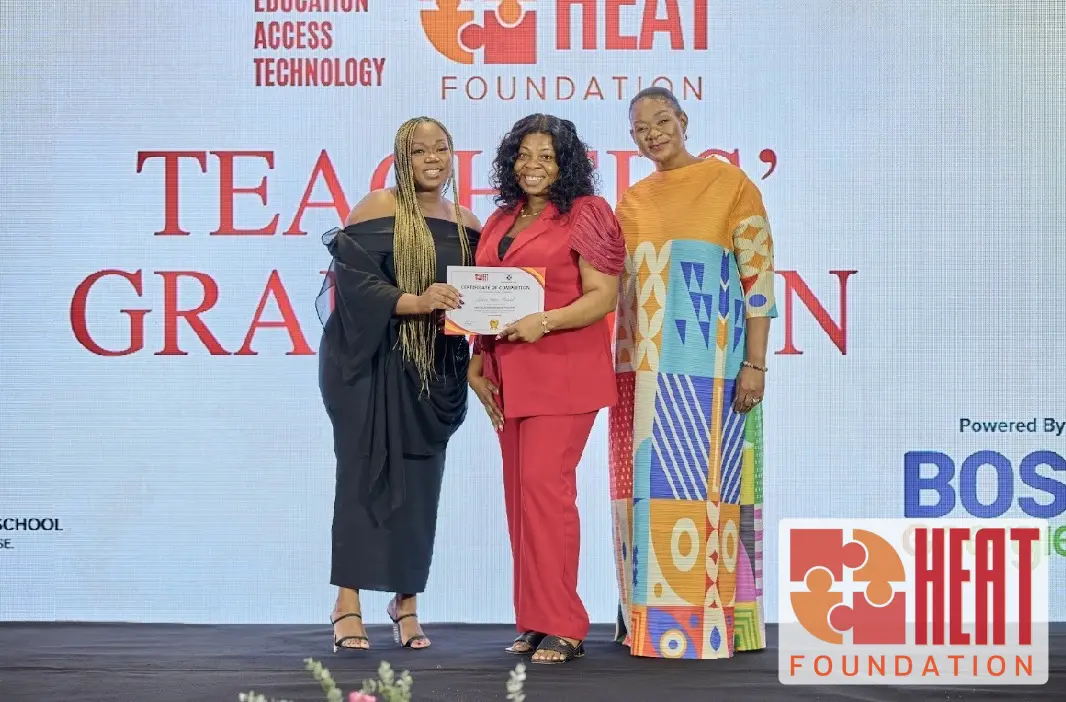
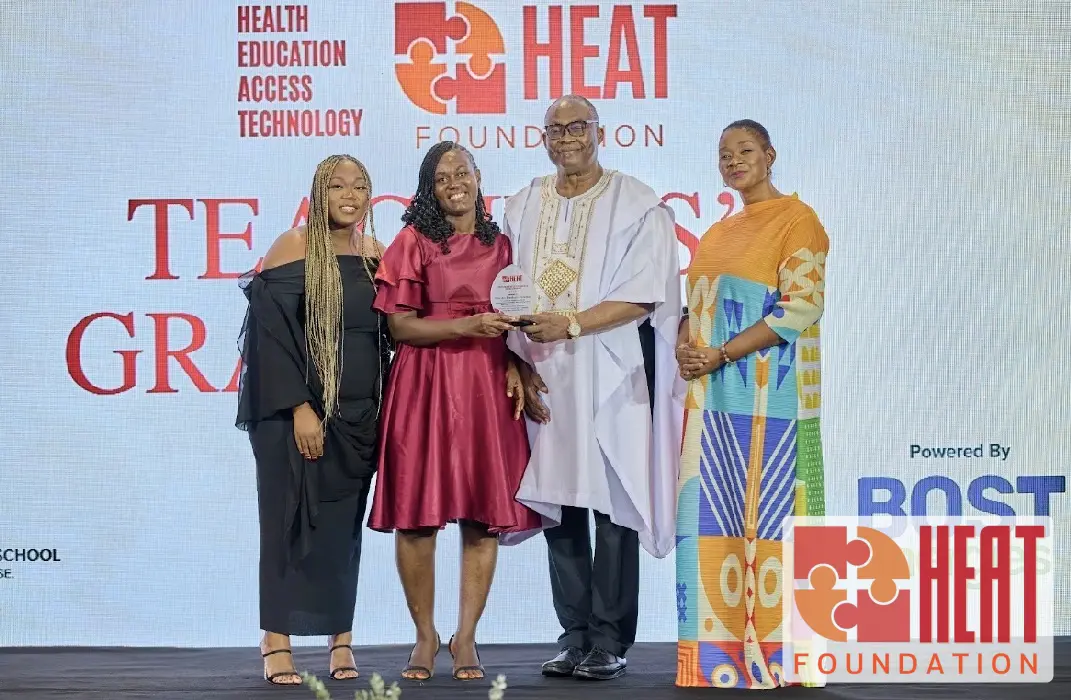
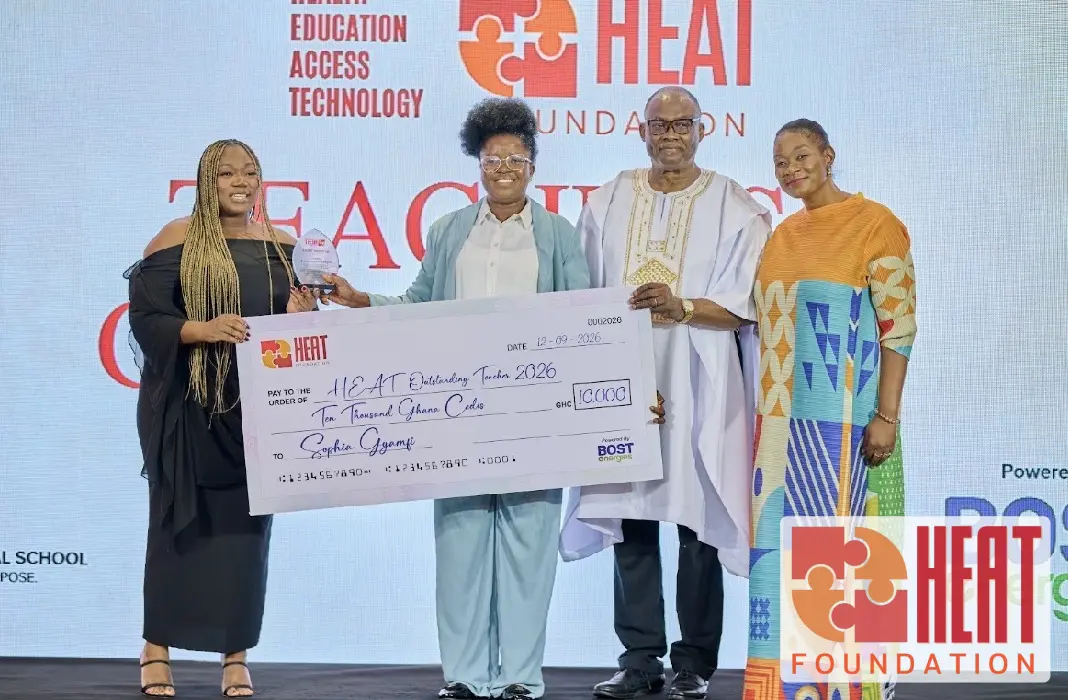
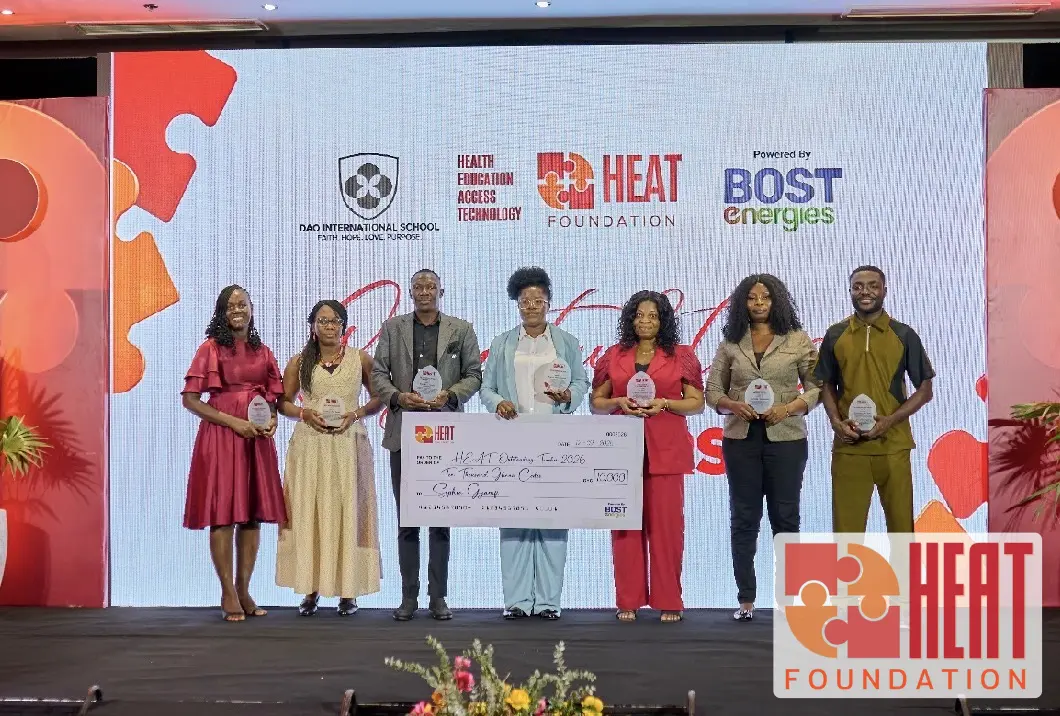
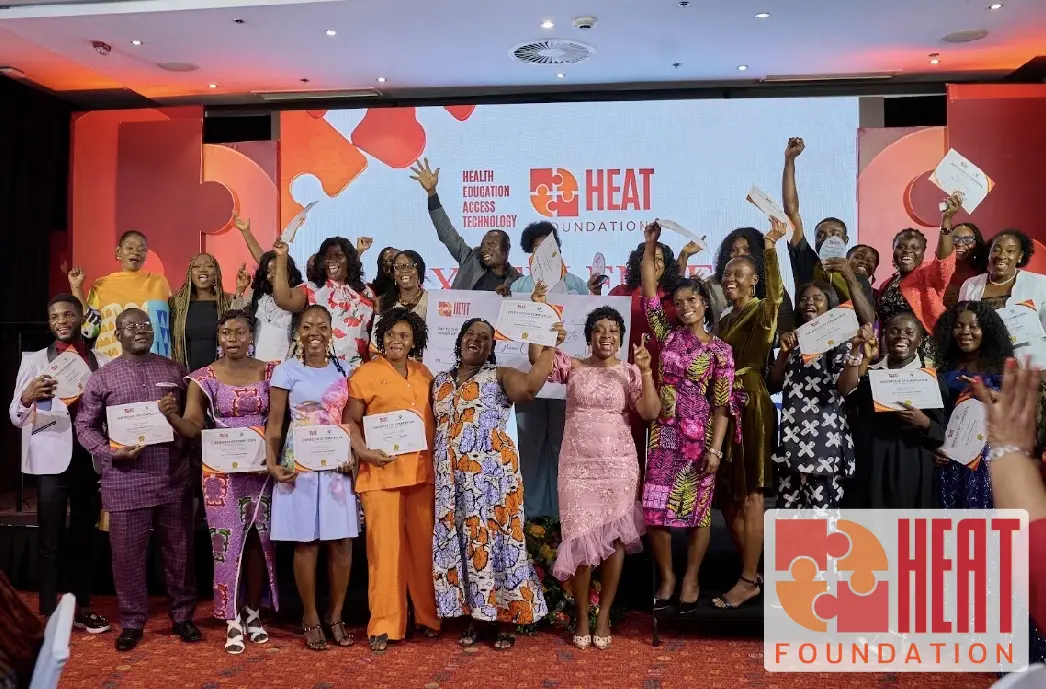
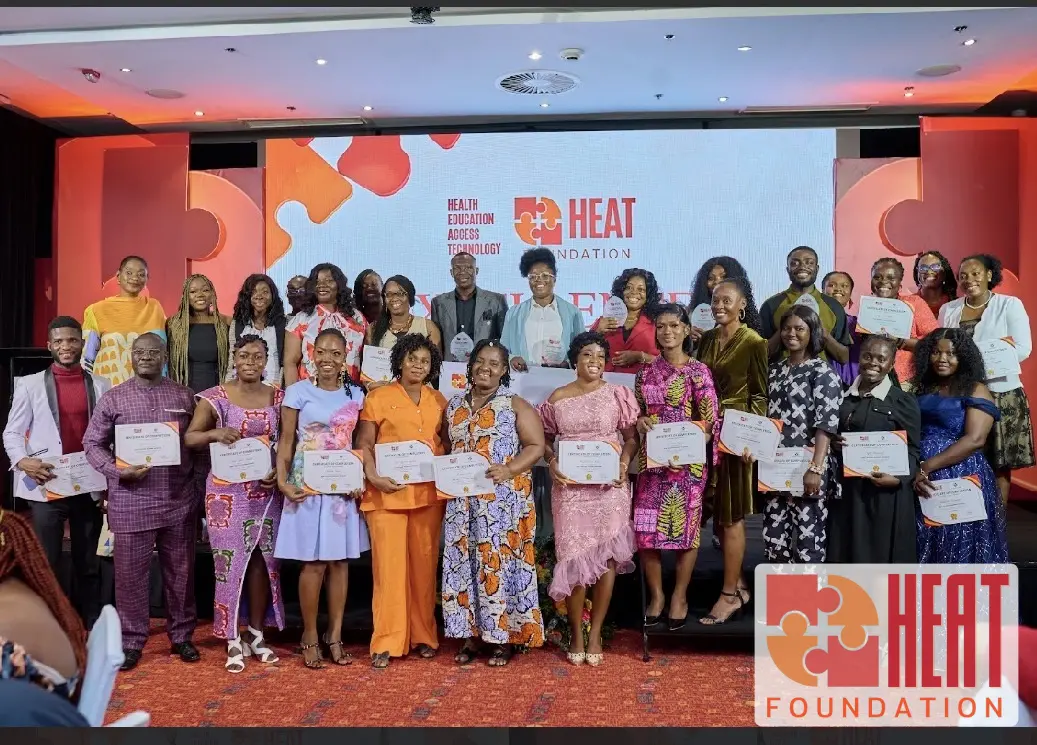
The program moved from shared learning into real classrooms and back through observation and reflection.
Teachers built a shared foundation through intensive professional learning.
New strategies were tested with real learners and teaching contexts.
Journals, peers and observation gave teachers structured feedback.
Feedback informed the next lesson and the next cycle of growth.
“Did my learners learn, how do I know, and what can I do better?”Albert Ansong · Final reflection
Six educators and specialists brought expertise in assessment, policy, school leadership and inclusive practice to the first cohort. Select a profile to read more.

Aba helps teachers make assessment practical, reflective and responsive to learner progress.
Aba Amegatcher is an experienced education professional with a background in teaching, assessment, curriculum support and teacher development. Her work strengthens classroom practice through effective assessment, learner-centred instruction and reflective teaching.
She has supported schools and educators with practical assessment tools that work within real classroom constraints. Her evidence-based approach helps teachers understand learner progress and adapt instruction.
Her facilitation emphasises clarity, practicality and reflection, including assessment in low-resource environments.

Ashley connects education policy research with teacher-led change in Ghanaian classrooms.
Ashley Appenteng is an education policy specialist and practitioner committed to improving educational outcomes in Ghana. She holds a Master’s degree in Education, Policy and Society from King’s College London and a Certificate in Public Policy Analysis from the London School of Economics.
Her postgraduate research examined the Free Senior High School policy, including how schools navigate financial shortfalls and how teachers and administrators adapt to resource constraints to sustain learning.
As Founder of HEAT Foundation, Ashley focuses on teacher capacity, instructional practice and community-centred interventions. She also led Jamboree Activity Centre, developing programs for young learners, including online learning during the COVID-19 pandemic.
Her experience across schools, government institutions and development partners informs a practical, policy-responsive approach to strengthening Ghana’s education system.
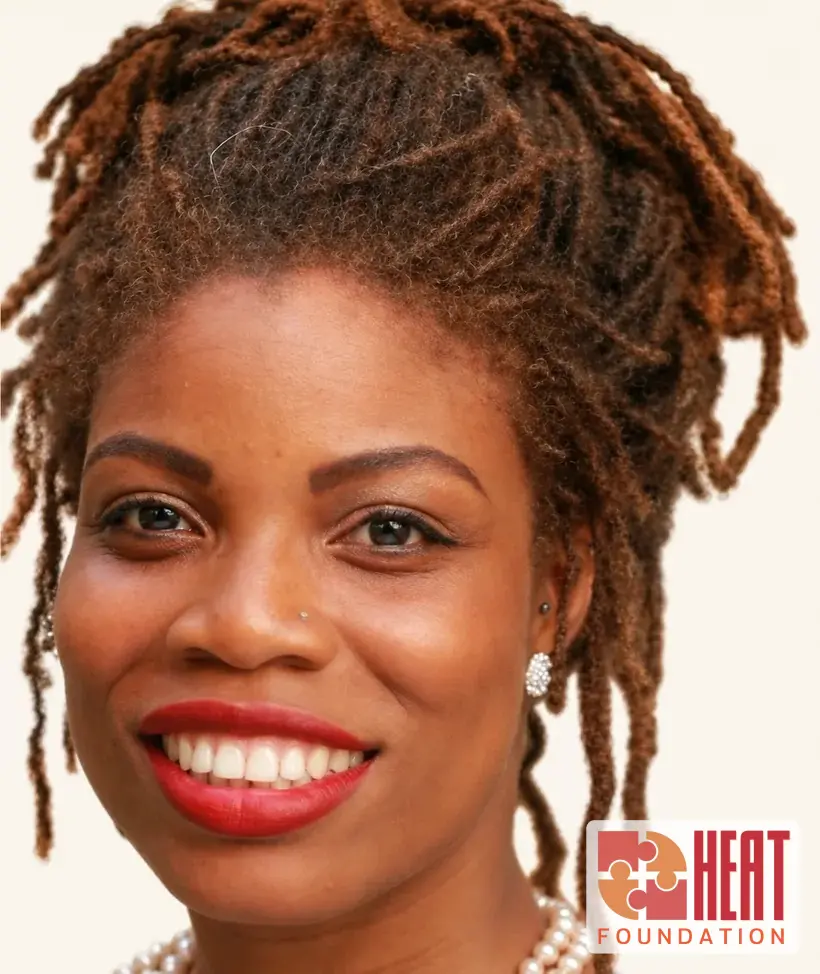
Flossy brings more than 15 years of international experience in inclusive education and school leadership.
Flossy Azu leads Safari International School, a Cambridge preschool and primary school progressing through IB PYP candidacy. Her experience spans Africa, Asia, Europe and North America.
Her work integrates teacher development, inclusive education systems, special education programming and holistic learner support. She previously led education work at a consultancy, including professional development, curriculum design and school improvement.
At the Varkey Foundation in London, she contributed to initiatives including the Global Teacher Prize and Global Education & Skills Forum. Flossy holds a Master’s in International Education Policy from Harvard Graduate School of Education and a Bachelor’s in Psychology and Education from Mount Holyoke College.
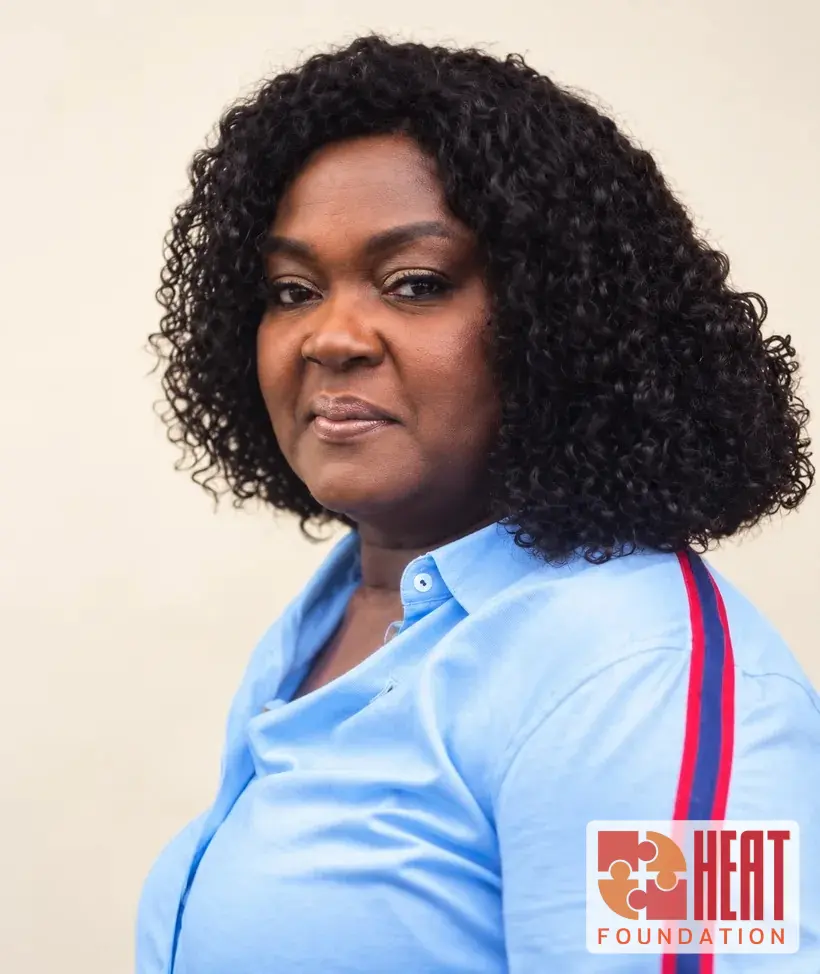
Elizabeth has spent more than 40 years advancing quality education and teacher development in Ghana.
Mrs. Elizabeth Mary Baitie is Co-Founder and CEO of Merton International Primary and High School. Across more than 40 years, her work in curriculum design, teacher development and school administration has reached thousands of learners.
Under her leadership, Merton has become known for academic excellence, holistic learner support and community engagement. Her work centres on teacher capacity, student-centred learning environments and lifelong learning.
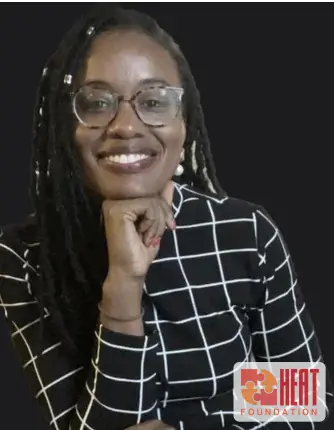
Patrinia translates inclusive education research into practical classroom and school design.
Patrinia Baksmaty founded The Kaleidoscope Collaborative, an inclusive education consultancy focused on Universal Design for Learning, neurodiversity-affirming practice and systems-level school design. Her work helps educators anticipate learner diversity and widen access.
She also leads The HomeSchoolLAB in Accra, a practice-based model for academic intervention, teacher training and family partnership for children with diverse learning needs.
With more than 25 years of experience as an educator-activist in the United States and Ghana, Patrinia connects research, community context and classroom implementation.

Karla brings classroom teaching, international experience and school leadership to teacher training.
Karla Forjoe Laryea is School Director at Dao International School in Oyarifa, Accra. With more than a decade of international experience, she oversees school operations and faculty development while connecting administrative strategy with classroom practice.
She taught English and Vocabulary at Faith Montessori School for nearly six years, including SAT English preparation, General Paper Extended Reading and specialised Vocabulary Workshops. She holds Montessori Teaching Certification from the North American Montessori Center.
As a Teach For China Fellow in rural Yunnan, Karla taught classes of more than 40 students and developed Oral English curricula. She also worked with Huayang Academy in China.
Karla holds a BA in Politics, Philosophy & Economics and East Asian Area Studies from the University of Pennsylvania and studied Economics at the University of Oxford. She is fluent in Mandarin and holds HSK 6 certification.
Browse teachers, lesson plans, reflections and selected evidence from the first cohort.
© 2026 HEAT Foundation. All rights reserved. HEAT’s original photographs and website content may not be copied, reproduced or reused without written permission. Partner logos and third-party materials remain the property of their respective owners.
Photography at HEAT events is undertaken with permission from participants or, where appropriate, their parents or guardians. For questions about a photograph or its use, please contact HEAT Foundation.